

Structural overconsumption threatens both natural resources and human wellbeing. What if consuming less allowed us to live better? In this piece, researchers in marketing and geography discuss alternatives to a system that currently leaves more people worse off than better off.
Text: Kristiina Ella Markkanen
Photography: Annukka Pakarinen & Otto Ponto
Marketing researcher Essi Vesterinen owns one blazer. She wears it whenever the occasion calls for it: her dissertation defence, interviews, celebrations. She doesn’t need more than that.
Nor would many other affluent people. In 2022, the German think tank Hot or Cool Institute published a report on fair fashion consumption. It suggested that people should buy no more than five new items of clothing per year if the fashion industry’s carbon emissions are to remain within the 1,5-degree limit.
That finding stayed with Vesterinen as she worked on her doctoral research on fast fashion consumption at the University of Vaasa. Completed in 2025, her dissertation examines how clothing overconsumption can be reduced and what consumption could look like within planetary boundaries.
“Clothing is a textbook example of overconsumption. Its lifespan keeps getting shorter while production cycles accelerate. Through clothing, people meet needs that society keeps creating,” Vesterinen says. The same logic, she adds, applies equally well to electronics or cosmetics. The cycle repeats, the pace tightens.
OVERCONSUMPTION of natural resources is the root cause of the ecological crisis. According to the Global Footprint Network, Finland consumes natural resources at a rate that would require roughly four planet Earths each year. The global average in 2024 was 1,75.
By now, the world needs a fundamental change that reaches into the very structures of overconsumption – the economic system, decision-making, advertising, production chains.
“Structures of overconsumption, such as marketing, constantly exploit people’s social tendency to compare themselves to others. They reinforce the idea that the need for novelty is inherent,” Vesterinen says. Fast fashion marketing in particular, she says, relies on a sense of inadequacy, which consumers are encouraged to soothe by buying more.
The situation is painfully contradictory. People are caught in a framework where they are urged to consume more in the name of economic growth, and simultaneously to consume less for the sake of the environment.
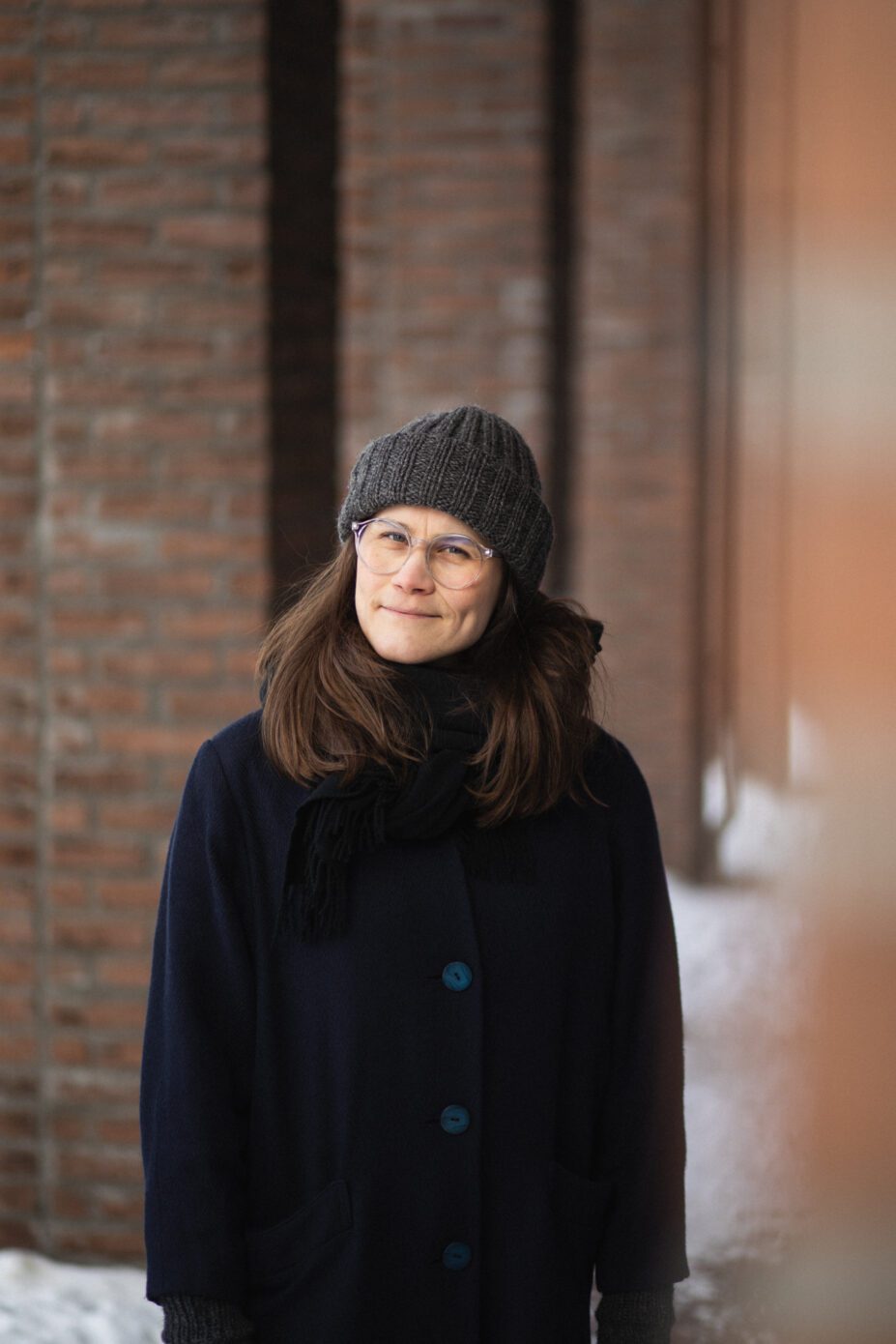
Vesterinen’s dissertation offers a way out of this cacophony that would make reducing overconsumption possible.
“My research shows that appealing to altruistic environmental concerns alone does not necessarily change consumption habits. Many people want to consume responsibly but, for various reasons, do not act accordingly.”
Behaviour can become more sustainable when marketing for responsible consumption appeals to personal benefits, such as one’s own wellbeing and happiness, she argues.
According to Vesterinen’s findings, happiness does not increase through constant novelty and consumption, but through caring for what one already owns and extending the lifespan of clothing. These practices were shown to have positive effects on body image and personal identity. What one already owns becomes more meaningful through use.
WHILE consumers can critically examine their shopping habits and vote with their feet, ultimate responsibility for changing structures lies somewhere else entirely. Vesterinen believes individuals can and should be empowered to act in support of a more sustainable system. That alone is not enough, though, nor is it fair to expect it to be.
“I would start by changing legislation related to consumption. It is impossible for an individual consumer to swim against the current when everything around them encourages overconsumption,” she says. Consumption patterns do not change unless attitudes change. Attitudes do not change unless structures change.
Vesterinen proposes that fast fashion marketing, especially advertising that targets children and young people, should be restricted through legislation. There are precedents.
In France, for example, a law has been under preparation that would restrict the sale of ultra-fast fashion and ban its advertising. Elsewhere in Europe and the Nordic countries, initiatives are underway to prohibit the marketing of tobacco and unhealthy foods to children and adolescents.
The researcher’s second proposal returns to her central finding, increasing use instead of buying new. Vesterinen argues that in circular economy thinking, too much focus has been placed on what happens after use and on how materials can be disposed of responsibly. The use phase itself has received far less attention. One way to strengthen it would be mandatory guarantees for clothing.
“Manufacturers should be required to guarantee that garments last for a certain period of time. If an item breaks, the manufacturer would provide a repair service. The guarantee could also include a penalty for brands that simply replace a broken item with a new one,” Vesterinen says.
Finally, she suggests higher taxation for brands that use natural resources irresponsibly. Like her other proposals, tighter taxation is not, in her view, a utopian idea. It simply needs to be done. Impactful action, however, requires a broader shift in mindset.
ONE perspective on that shift is offered by Joha Järekari, a doctoral researcher at the University of Turku. Their work examines the effects of nature on eudaimonic, that is long-term and value-based, wellbeing. The term may be less familiar than its counterpart, hedonia.
“Hedonic wellbeing is based on maximising pleasure and minimising discomfort. Eudaimonia approaches wellbeing at a deeper level: whether a person experiences their life and choices as meaningful in the larger picture, even if they are not pleasurable in every moment,” Järekari explains.
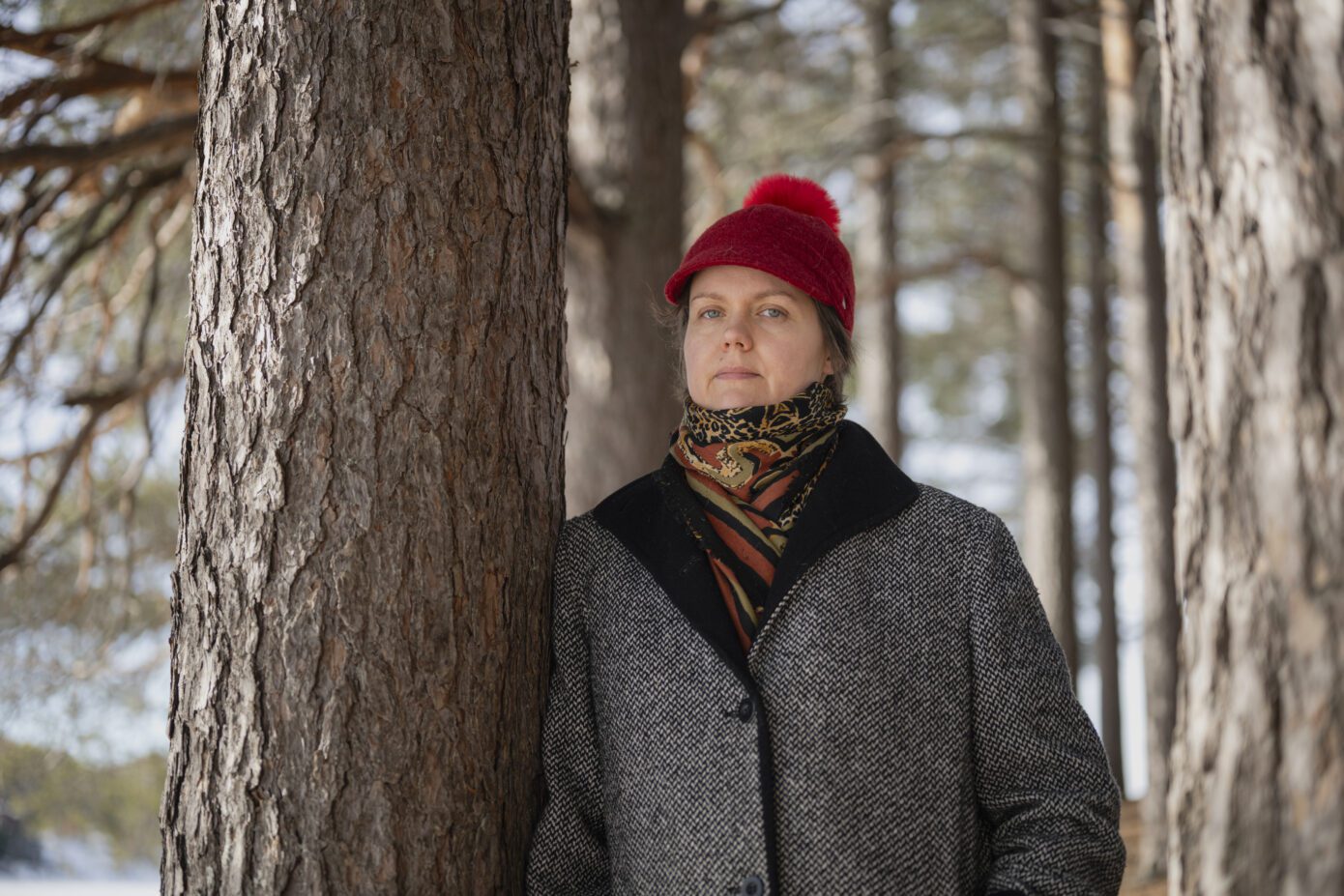
Participants in Järekari’s research spent time in a wide range of natural environments. Their experiences of wellbeing were linked to feelings of self-acceptance, meaning in life, personal growth, and agency.
At the same time, many participants reported feelings of sadness and even shame while spending time in nature. The consequences of the ecological crisis, and feelings of personal responsibility or powerlessness, cast a dark shade over these experiences.
“One part of the data consisted of creative writing exercises. The responses conveyed grief, anxiety, and despair over the impacts of the ecological crisis. These emotions influenced many participants’ sense of meaning and self-acceptance,” Järekari says. Younger participants in particular felt they were part of the problem, while also feeling frustrated that their voices were not being heard.
According to Järekari, however, negative emotions can be beneficial in the long run.
“For some people, being in nature and confronting difficult things can act as a catalyst for personal growth. When you notice the changes in the environment, it can awaken a desire to develop as a person, to learn new ways of being, and to change attitudes.”
A eudaimonic perspective, Järekari suggests, could bring much-needed fresh air to the world as it is. Dopamine hits and constant novelty may provide momentary pleasure, but do little to encourage lasting change in attitudes. Neither does the built urban environment, a structure of overconsumption on its own, which is far from supporting eudaimonic wellbeing.
“Urban spaces are largely organised around consumption and transportation from one place to another. There are few opportunities to pause and reflect. Our environment communicates what kinds of actions are acceptable. Who is welcome, or whether it’s permissible to simply observe and wonder,” they say. For this reason, they hope urban planning will make more room for forms of agency that are not based on consumption.
“In public spaces there could be signs saying here you are allowed to pick flowers, rake leaves, and touch things. Here, you may simply be.”
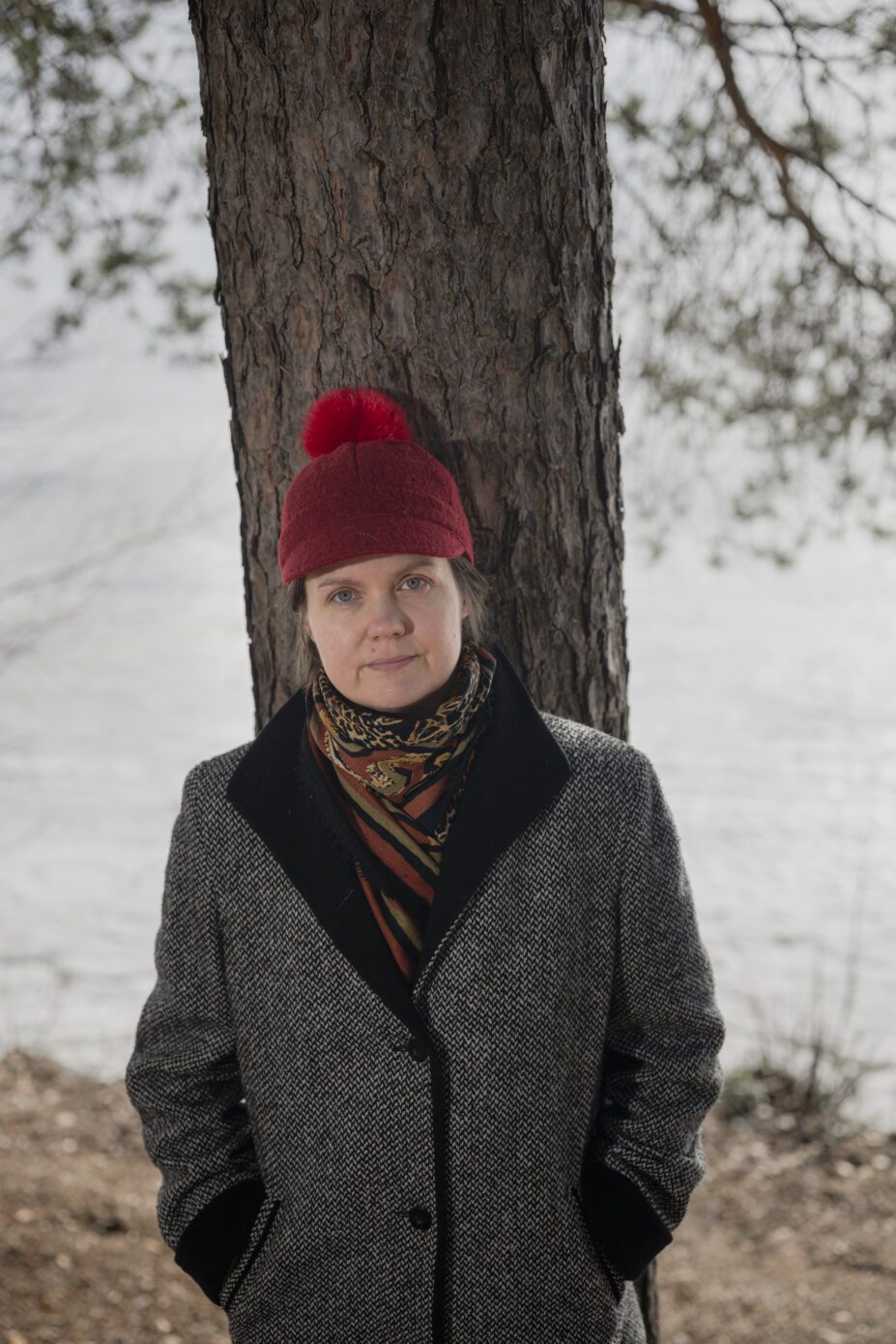
THERE seems to be a persistent fear around sustainable living that consuming less will make everyday life bleak, boring, and joyless. That sustainable habits require us to sacrifice pleasure and tolerate discomfort. It is precisely the idea of giving things up that provokes resistance: the assumption that nothing is gained in return.
Neither Essi Vesterinen nor Joha Järekari see it that way. Vesterinen’s research suggests that consuming less can improve wellbeing and allow people to get more out of what they already have. Järekari’s work shows that in natural environments stripped of consumer impulses, people can reconnect with themselves and their values.
“In nature, many participants clarified to themselves what truly matters to them. It became easier for them to make decisions about their direction in life. As one respondent put it: in nature, I can hear my own voice. Elsewhere, I cannot,” Järekari says.
At its core, overconsumption is about sufficiency. There are not enough natural resources. There is not enough time. I, as a consumer, am not enough.
Without knowing, the two researchers respond almost poetically to each other’s arguments. Vesterinen highlights the sense of inadequacy produced by marketing. Society accelerates, impulses accelerate. Järekari, as a part of a research group, meanwhile, observed that natural environments strengthened many people’s sense of life’s meaning. The insight is captured in a quote from the creative writing material:
“Everything in nature is exactly as it should be.
So am I.”
Nessling Foundation has given funding for the research projects by Essi Vesterinen and Joha Järekari.
- Essi Vesterinen: “Sustainable consumption does not have to be altruistic – Subjective well-being as a self-benefit driver for change towards sustainable anti-consumption of clothing”, 2025
- Joha Järekari et al.: “Nature facilitates eudaimonic well-being through promoting connection with self and others”, People and Nature, 2025
- Niko Soininen and Lassi Linnanen: “Rakenteellinen ylikulutus”, 2025
- Hot or Cool Institute: “Unfit, Unfair, Unfashionable: Resizing Fashion for a Fair Consumption Space”, 2022“