
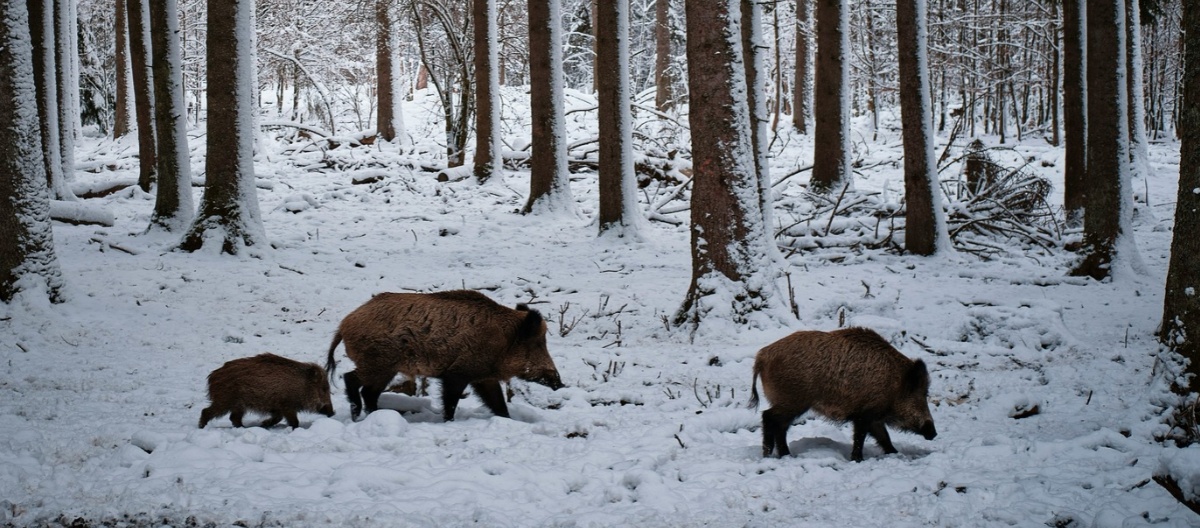
The Nessling Foundation funded ResPro project examines the future of Finnish protein production from several perspectives, including overconsumption, multispecies justice and biosecurity. As African swine fever spreads among wild boar in Finland, project leader Nina Janasik considers the risks that animal diseases could pose to the resilience of our protein system.
Text: Nina Janasik, ResPro project
The discovery of African swine fever in Finland’s wild boar population in July 2026 came as no surprise to many who follow animal disease outbreaks. For example, the disease is endemic in Estonia where it has become established in the wild boar population and repeatedly spread to pig farms. Sweden experienced a localised outbreak among wild boar in 2023, which the authorities brought under control in about a year. Finland has been preparing for African swine fever for nearly 20 years.
The event was anticipated, yet its wider effects still took many people by surprise. Few had expected the disease to affect so many everyday activities: restrictions were placed on activities including berry picking, walking dogs and the industrial use of timber.
Against this background, we can ask what it would mean if another known animal disease emerged in Finnish dairy or meat production.
What if the next anticipated surprise were bird flu? Imagine it emerging on a Finnish dairy farm and spreading from there to other animals and people. What if the virus had also changed in animals in ways we do not yet understand, making it more transmissible?
In the United States, this highly contagious and often fatal animal disease has spread widely among dairy cattle. Infections have also been detected in cats and wild animals. Bird flu was found in farmed fur animals in Finland in 2023.
As the virus circulates in mammals, the risk increases that it could develop into a form that poses a greater danger to people. Individual human infections have already been recorded in the United States. What wider effects might emerge if such a changed virus became established on Finnish cattle farms? What would the consequences be, and who would be responsible for managing the situation, both immediately and over the longer term?
In the ResPro project, we ask how Finnish protein production could prepare for anticipated surprises of this kind while respecting planetary boundaries, animal welfare and farmers’ ability to earn a living. Animal diseases have little direct effect on the production of wheat, oats and other protein rich crops. If they spread to animals raised for protein, however, they can cause serious disruption.
As part of the project, we are organising sessions using the Industrial Foresight Studio (IFS) method. Together with Finnish cattle farmers and decision makers, we explore what preparing for protein crises on several fronts could mean in practice. We are looking for ways to prevent Finland’s protein system from moving towards collapse, whether gradually or suddenly.
We hope this work will help us recognise the wider effects of infectious animal diseases in advance. An anticipated event might then be at least a little less surprising.
Funded through the Nessling Foundation’s Murros call, the ResPro project seeks feasible alternatives that improve both environmental and animal welfare, address the overconsumption of animal based products and strengthen biosecurity. Read more.
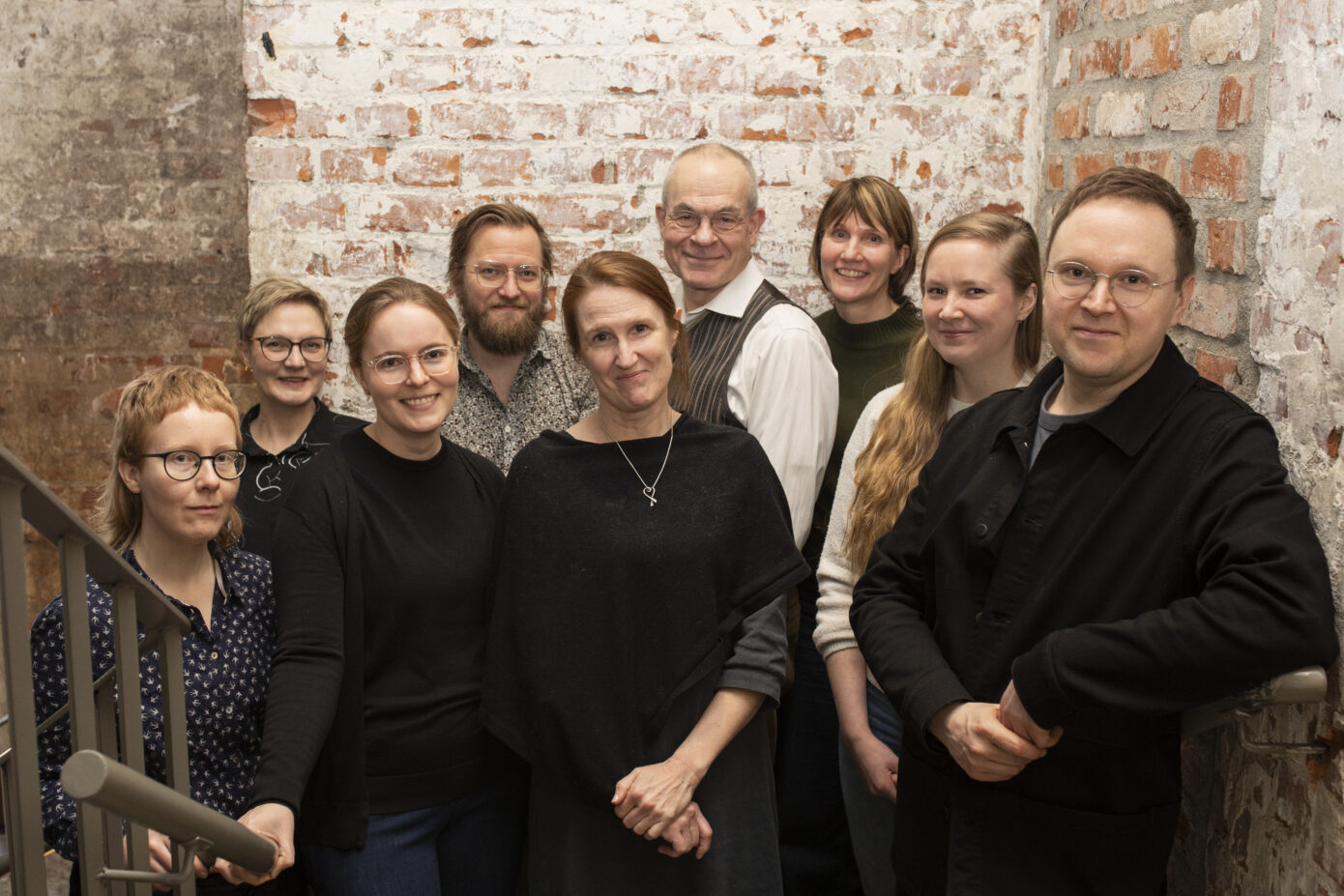
People from the ResPro project. Photo: Annukka Pakarinen
Cover photo by Rolf Schmidbauer on Unsplash